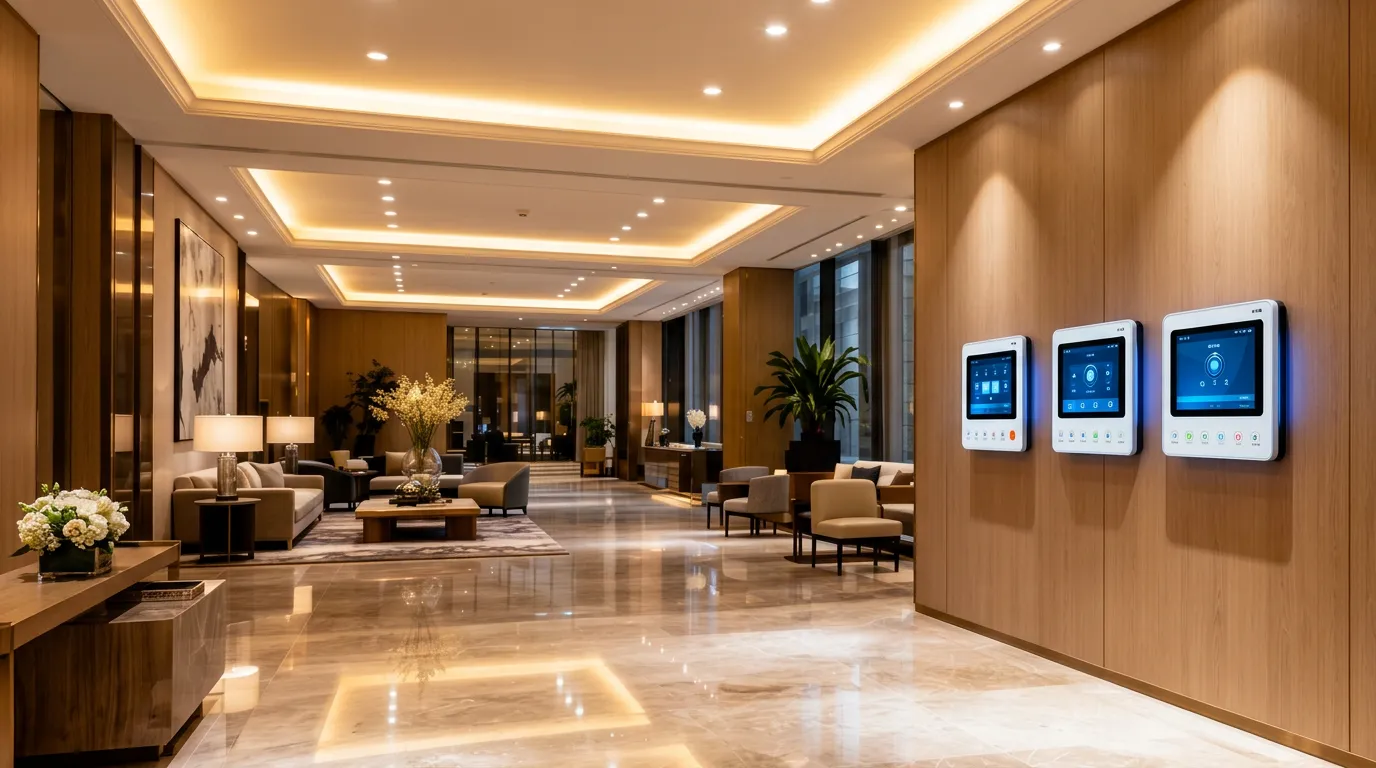
Corridor
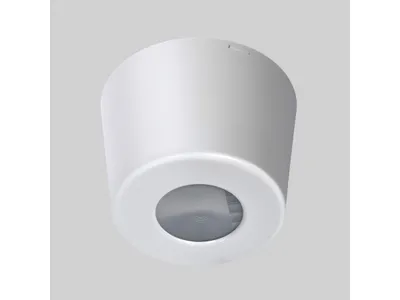
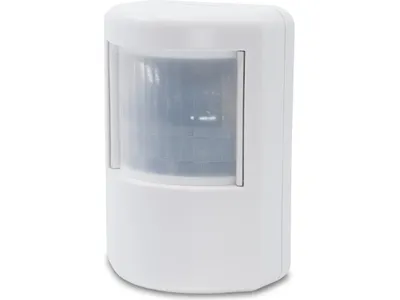
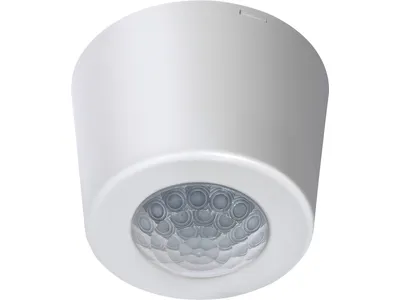
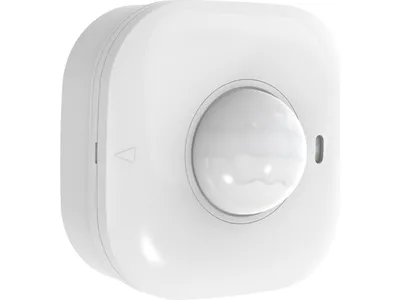
The space that is in use around the clock but occupied in bursts. Presence control is the difference between constant full output and light only when someone passes.
A corridor has low demands on light level but high demands on availability: it must never be dark when someone needs it, and rarely lit when nobody does. That combination is exactly what presence control solves, and the reason corridors are almost always the first place energy is saved.
Use a dimmed base level instead of switching off completely. The eye cannot adapt between darkness and full output, and a corridor that flashes on with every step feels broken even when it works.
Dimmed when empty, full output when someone moves. The transition should be gradual, not a jump.
The next section lights up before you reach it, so the light stays ahead of your steps.
A low level for rounds and cleaning without the whole floor going to full output.
Lighting requirements
| Area / task | Ēm (lux) | UGR max | U₀ min | Ra min | Note |
|---|---|---|---|---|---|
| General lighting | 100 | 28 | 0,40 | 40 | |
| Traffic route with vehicles | 150 | 25 | 0,40 | 40 | |
| Night mode (care) | 5 | – | – | 80 | Near floor level and glare-free |
Target values per SS-EN 12464-1. The values are a starting point for the conversation, not a lighting design. The client's own requirements, the geometry of the room and its surfaces decide the outcome.
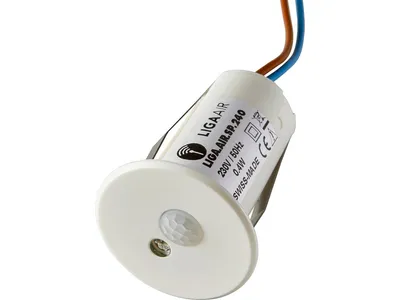
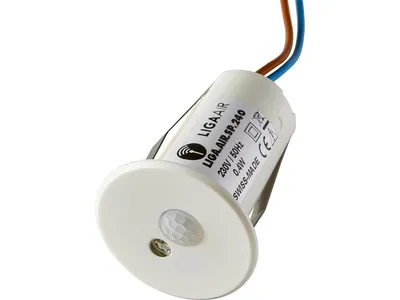
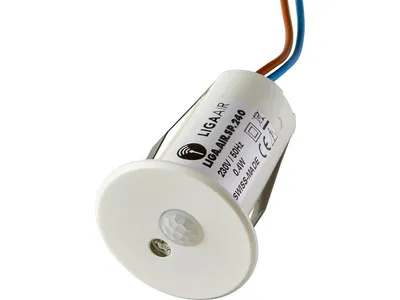
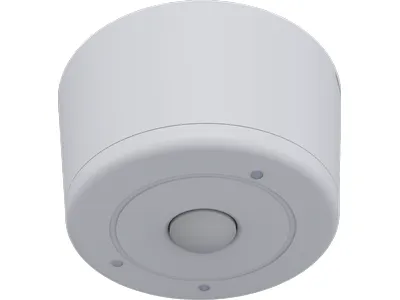
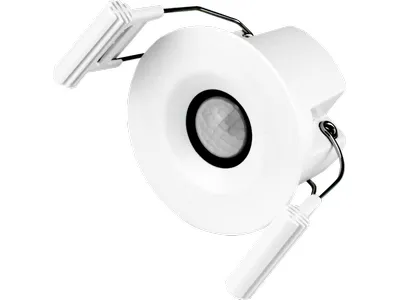
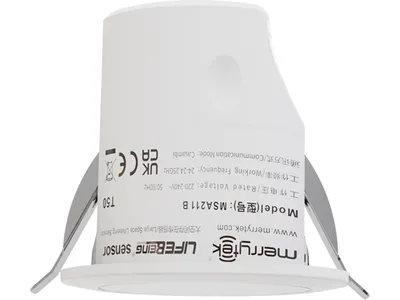
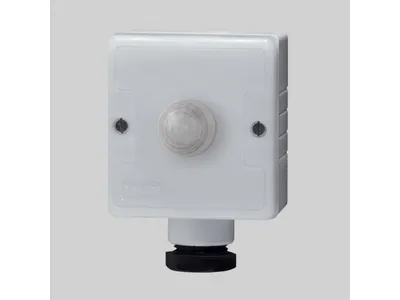
Products for corridor